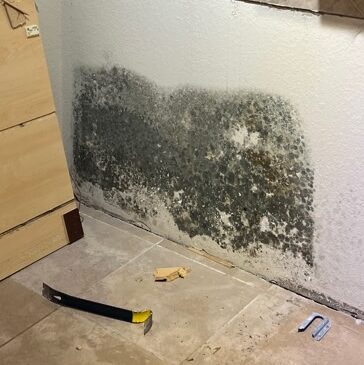
Homes throughout Lakeland and Polk County face constant exposure to humidity, sudden rainstorms, and plumbing issues that introduce moisture into building materials. When moisture settles into drywall, wood framing, insulation, or carpet, naturally occurring mold spores begin using those materials as a food source. Mold grows quickly when moisture remains present, often developing within 24 to 48 hours after a water intrusion event.
Homeowners in Central Florida often notice mold after roof leaks, overflowing appliances, or storm-related water intrusion. Mold does not simply affect surface appearance. Moisture trapped in structural materials can lead to hidden contamination that spreads through airflow pathways in the building. The ANSI/IICRC S520 Standard for Professional Mold Remediation explains that mold growth inside buildings directly connects to excess moisture conditions within the structure.
Understanding how mold develops allows property owners to recognize early warning signs and protect their homes before contamination spreads deeper into the building.
Common Causes of Mold Growth in Central Florida Homes
Lakeland and nearby communities such as Bartow, Lutz, and Kissimmee experience warm temperatures and high humidity for much of the year. These environmental conditions make moisture management a constant challenge for property owners.
Water intrusion from leaking plumbing lines, roof damage after storms, appliance failures, or overflowing HVAC condensate systems often triggers mold growth. Flooding from heavy rainfall or hurricane activity across Polk County and Hillsborough County also introduces moisture into wall cavities and flooring systems.
Even minor water issues can escalate quickly. A small leak behind a kitchen cabinet or inside an attic insulation layer can allow mold colonies to develop unnoticed. When moisture stays hidden for weeks, contamination expands beyond the original moisture source.
Health Concerns Related to Mold Exposure
Indoor mold contamination affects occupants in different ways. Some people notice mild irritation, while others experience stronger respiratory reactions when mold spores circulate through indoor air.
Allergy-like symptoms often appear first. Residents may experience coughing, congestion, eye irritation, or sinus discomfort. Children, elderly individuals, and people with respiratory conditions typically respond more quickly to airborne particles.
Property owners throughout Lakeland sometimes report symptoms that improve when they leave the house and return when they come back indoors. That pattern often points toward indoor environmental conditions connected to hidden moisture or mold contamination.
Recognizing the Signs of Mold Infestation
Visible mold growth often appears as dark or discolored spots along drywall seams, ceiling edges, or baseboards. In bathrooms and kitchens, mold frequently develops near sinks, grout lines, and cabinetry where moisture collects.
Other signs remain less obvious. A musty odor commonly develops when mold grows inside enclosed spaces such as wall cavities, crawl spaces, or air conditioning systems. Warped materials, peeling paint, or persistent dampness also signal underlying moisture issues.
Homeowners sometimes confuse mold with mildew. Mildew usually grows on surface materials and wipes away easily. Mold contamination embedded inside porous building materials requires professional containment and removal procedures.
Why Professional Mold Remediation Makes a Difference
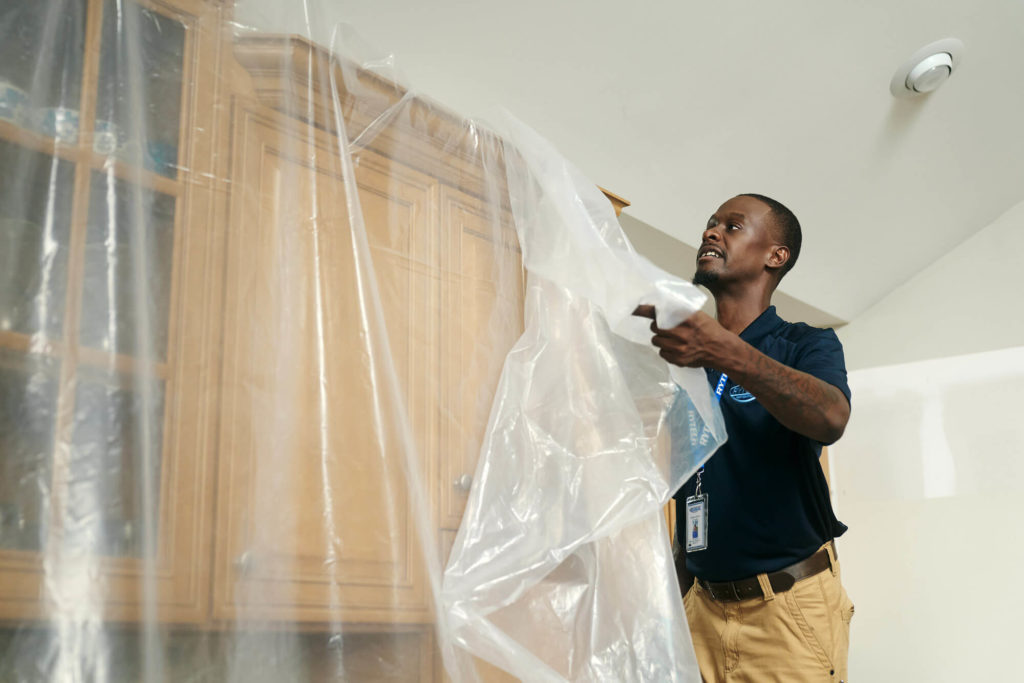
Surface cleaning removes visible mold but rarely addresses the contamination inside structural materials. Without proper containment, disturbed spores travel through air circulation systems and spread throughout the home.
Professional remediation follows structured industry procedures designed to control contamination and restore the indoor environment. Certified technicians isolate affected areas, establish containment barriers, and manage airflow using specialized filtration equipment.
The ANSI/IICRC S520 standard describes mold remediation as a controlled process focused on removing contamination and restoring normal indoor environmental conditions.
This approach protects occupants while preserving building materials whenever possible.
Mold Inspection and Testing Procedures
Every remediation project begins with a detailed inspection. Moisture detection tools locate hidden water trapped behind walls, beneath flooring, or inside ceiling assemblies.
Technicians measure humidity levels, evaluate building materials, and identify visible contamination areas. Air sampling or surface testing may help determine the concentration and spread of spores in certain situations.
Inspection results guide the remediation plan and define the containment strategy required for safe cleanup.
What Happens During Mold Remediation
Remediation begins by isolating the contaminated area from the rest of the building. Containment barriers and negative air pressure systems prevent spores from spreading during cleanup activities.
Air filtration devices capture airborne particles while technicians remove contaminated materials that cannot be restored. Surfaces inside containment zones undergo detailed cleaning procedures designed to remove settled spores and debris.
Once contamination sources are removed, technicians restore the indoor environment by reducing airborne particles and controlling moisture levels.
Timeline and Expectations During Remediation
Project timelines vary depending on the size of the affected area and the amount of moisture present. Smaller contamination zones may require only a few days of remediation work, while larger structural contamination events can extend longer.
During remediation, homeowners receive clear updates about the progress of containment and cleaning procedures. Restoration teams track environmental conditions throughout the process to ensure the indoor environment continues improving.
Communication helps property owners remain informed while restoration professionals focus on environmental control and safety.
Post-Remediation Verification and Air Quality Evaluation
Once remediation procedures are complete, environmental conditions undergo verification. Independent indoor environmental professionals sometimes perform post-remediation verification testing to measure airborne particle levels.
This evaluation confirms that contamination sources have been removed and that indoor air quality has improved to acceptable conditions.
Mold Remediation Costs and Insurance Considerations
The cost of remediation depends on the size of the affected area, the building materials involved, and the complexity of containment procedures. Larger contamination zones require additional environmental controls and longer remediation timelines.
Insurance coverage depends on the cause of the moisture event. Water damage from sudden plumbing failures or appliance leaks may qualify for coverage depending on the homeowner’s policy.
Many homeowners across Polk County benefit from working with restoration professionals who understand insurance documentation and help guide property owners through the claims process.
DIY Mold Removal Compared to Professional Remediation
Small patches of surface mold on non-porous materials can sometimes be cleaned by homeowners. Structural mold contamination inside drywall, insulation, or flooring requires specialized containment procedures.
Disturbing mold without proper containment spreads spores throughout the building. Professional remediation teams use filtration systems, containment barriers, and controlled airflow to prevent cross contamination.
Certified technicians follow industry procedures that protect occupants and restore indoor environments safely.
Preventing Mold Growth in Central Florida Homes
Moisture management remains the most effective strategy for preventing mold growth. Homes throughout Lakeland benefit from regular roof inspections, plumbing maintenance, and humidity control.
Dehumidifiers and proper ventilation reduce moisture buildup in bathrooms, kitchens, and crawl spaces. Air conditioning systems also play an important role in maintaining balanced indoor humidity levels.
Responding quickly to water intrusion prevents moisture from becoming trapped inside structural materials where mold growth begins.
Building Improvements That Reduce Mold Risk
Many Central Florida homeowners choose building materials designed to resist moisture during renovation projects. Mold-resistant drywall, moisture-resistant insulation, and specialized coatings help reduce contamination risk in vulnerable areas.
Bathroom ventilation upgrades and crawl space moisture control systems also help maintain balanced humidity levels throughout the home.
These improvements strengthen a building’s ability to handle Florida’s humid climate.
Regulations and Safety Standards for Mold Remediation
Professional remediation companies follow established industry standards to ensure safe working conditions and consistent results. OSHA guidelines protect workers and building occupants during remediation activities.
The ANSI/IICRC S520 standard provides procedures for professional mold remediation projects, ensuring technicians follow structured containment and removal methods.
Industry standards guide restoration professionals through complex contamination situations.
Choosing a Certified Mold Remediation Contractor in Lakeland
Property owners evaluating remediation contractors should review training credentials, certifications, and experience with Florida construction practices.
Homes across Lakeland and Polk County often include drywall assemblies, crawl spaces, and attic insulation systems that require specialized moisture control strategies. Contractors familiar with these construction methods identify contamination faster and implement effective containment procedures.
A Local Expert Perspective from Rytech Restoration of Central Florida
“Florida homes deal with high humidity, heavy storms, and plumbing failures that introduce moisture into wall cavities and flooring systems,” explains Elliot Padilla. “Our team understands the building materials commonly used across Central Florida. When we locate the moisture source and control contamination early, we restore indoor environments safely while protecting the structure.”
Elliot Padilla, Owner, Rytech Restoration of Central Florida
His team regularly responds to water intrusion and mold contamination events throughout Lakeland, Kissimmee, Sarasota, Bradenton, and surrounding counties including Hillsborough and Pasco.
Homeowner Responsibilities Before and After Remediation
Preparing the home before remediation allows technicians to begin containment procedures quickly. Occupants may relocate personal belongings away from affected areas and provide access to rooms where moisture was detected.
After remediation, homeowners maintain proper humidity levels and monitor plumbing systems to prevent moisture from returning. Routine inspections help detect small water issues before contamination develops again.
Finding Mold Remediation Guidance in Central Florida
Homeowners researching water damage and mold remediation services often begin by learning how restoration professionals locate moisture and restore contaminated environments. Education helps property owners understand what happens during remediation and how professionals protect indoor environments.
Rytech Restoration of Central Florida works with homeowners, commercial property owners, property managers, and insurance professionals across Polk County and surrounding communities to evaluate moisture events and restore safe indoor conditions.
If Moisture or Mold Appears in Your Lakeland Home
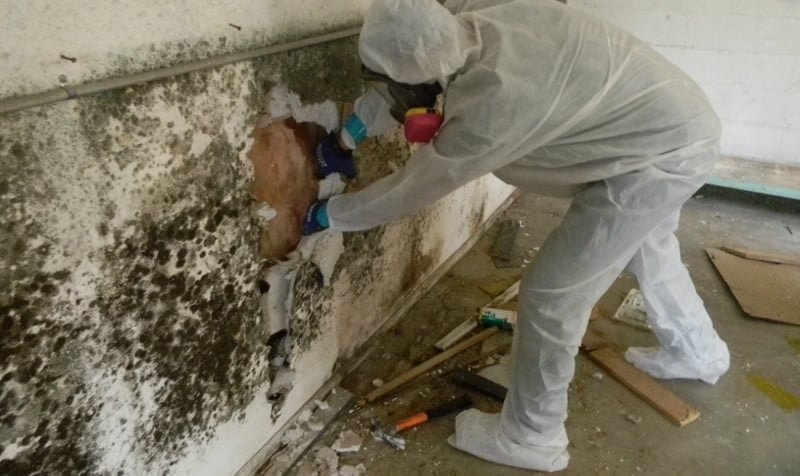
A musty odor, visible growth, or signs of hidden moisture often indicate a developing contamination problem. Early inspection identifies the source of the issue before mold spreads through the structure.
Reach out to Rytech Restoration of Central Florida if you have questions about mold contamination or water intrusion inside your property.
GET INSPECTED TO STAY PROTECTED.
FAQs: Answering Your Pressing Mold Questions
At Rytech Restoration of Central FL, we know that dealing with mold can be overwhelming. To support you during this challenging time, we've created a list of FAQs. Here, you'll find comprehensive information about our services, the remediation process, and what to expect when you choose to work with us.


