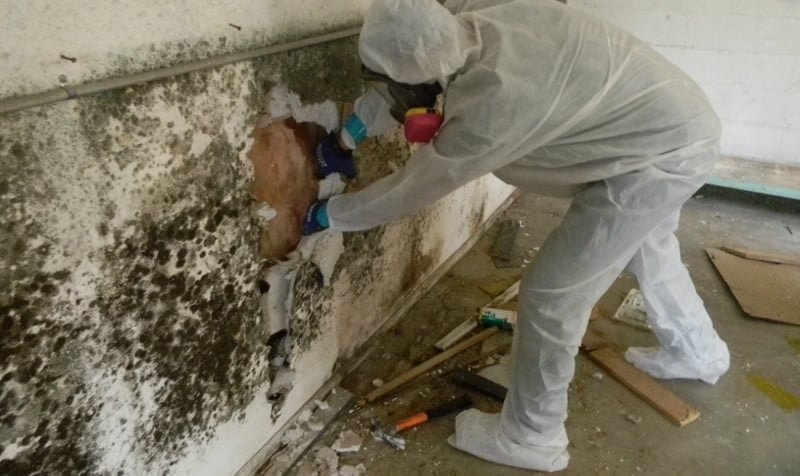
Mold is a year-round issue in Florida’s warm, humid climate. In Lakeland and across Polk County, the combination of frequent rain, high humidity, and occasional flooding provides the ideal conditions for mold to grow. For property owners and managers, understanding the remediation process isn’t just about cleanup—it’s about protecting health, property value, and peace of mind.
At Rytech Restoration of Central Florida, our IICRC-certified team follows the industry’s highest standards, including the ANSI/IICRC S520 Standard for Professional Mold Remediation, to identify, contain, and safely remove mold while minimizing disruption and cost.
What Causes Mold Growth?
In Central Florida, excess moisture is the doorway to mold infestation. Common causes include roof or plumbing leaks, storm flooding, or even air conditioning condensation. Poor ventilation—especially in bathrooms, laundry areas, and attics—can trap humidity, creating hidden moisture pockets that support mold growth.
Early detection helps prevent a minor moisture issue from becoming a costly remediation project. Even a small leak left unchecked can allow spores to spread through HVAC systems and walls.
Health Risks Associated With Mold Exposure
While mold is part of nature’s ecosystem, exposure indoors can cause serious discomfort. Short-term reactions may include headaches, itchy eyes, and nasal congestion. Over time, mold exposure can aggravate asthma or respiratory conditions, particularly for children, seniors, and anyone with a weakened immune system.
Rytech Restoration’s containment and removal methods are designed not only to clean but also to protect indoor air quality for occupants and workers alike.
Identifying the Signs of a Mold Problem
In homes and commercial buildings across Lakeland, Bartow, and Sarasota, mold often reveals itself through musty odors, discolored drywall, or stains on ceilings. Sometimes, the first indication is health-related—when occupants experience allergy-like symptoms that subside after leaving the building.
Professional inspections use specialized tools to locate hidden moisture and confirm contamination before it spreads further.
Mold Inspection and Testing Procedures
Certified mold inspectors in Lakeland use a combination of moisture meters, thermal imaging cameras, and air sampling equipment to detect hidden growth and identify affected materials. At Rytech, our technicians document findings with photos and detailed reports—information that can assist with insurance documentation and future prevention planning.
Step-by-Step Overview of the Mold Remediation Process
Professional mold remediation is a scientific process designed to safely restore indoor environments. At Rytech Restoration of Central Florida, each project follows a structured approach based on ANSI/IICRC S520 guidelines:
- Inspection and Assessment – Identifying sources of moisture and defining the scope of contamination.
- Containment – Isolating affected areas to prevent spore spread.
- Air Filtration – Using HEPA filtration to capture airborne particles.
- Mold Removal – Cleaning and removing contaminated materials beyond repair.
- Sanitization and Cleaning – Using approved products and methods to remove residue.
- Restoration – Drying and restoring the environment to pre-loss conditions.
Each step is documented for transparency and insurance compliance.
Containment and Air Filtration Techniques
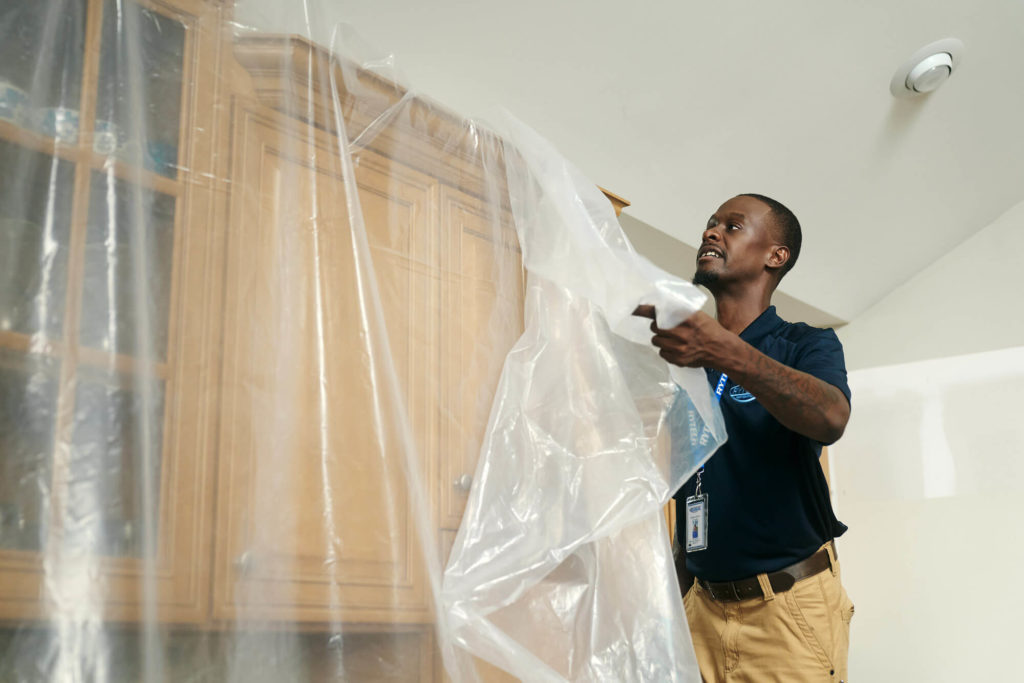
Containment is the cornerstone of safe remediation. Rytech’s crews use plastic barriers and negative air pressure machines equipped with HEPA filters to prevent cross-contamination. This ensures that while the affected area is treated, clean spaces remain safe and unaffected.
Mold Removal Methods and Equipment
Our technicians employ specialized tools such as HEPA vacuums, wire brushes, and commercial-grade cleaning agents to remove mold from surfaces and contents. When materials like drywall or insulation are too damaged to clean, they’re carefully removed under containment. The focus is always on restoration—saving what can be safely salvaged while removing what cannot.
Drying and Dehumidification
After remediation, thorough drying is essential. Using industrial-grade dehumidifiers and advanced monitoring systems, Rytech technicians track moisture levels to ensure complete drying before reconstruction or reoccupation. According to ANSI/IICRC S500, controlled drying reduces the chance of future microbial growth.
Preventing Future Mold Growth
Prevention begins with controlling moisture. Regular HVAC maintenance, timely repair of leaks, and improved ventilation help keep humidity in check. In areas like coastal Manatee or humid Pasco County, installing dehumidifiers and using moisture monitors in basements and crawlspaces can make a lasting difference.
When to Hire Certified Mold Remediation Professionals
DIY methods may temporarily reduce surface mold, but they rarely address airborne spores or hidden contamination. Certified remediation professionals, like the team at Rytech, have the training, equipment, and documentation protocols to meet both health and insurance standards.
“Our team has restored hundreds of homes across Polk County that suffered from hidden mold issues caused by Florida’s humid climate. Each structure is different, but the key is proper containment and drying—it’s what prevents the problem from coming back,” says Elliot Padilla, owner of Rytech Restoration of Central Florida.
Elliot Padilla, Owner, Rytech Restoration of Central Florida
Costs and Insurance Coverage for Mold Remediation
The cost of remediation depends on the size of the affected area, contamination level, and type of materials involved. For many homeowners, mold remediation may be covered if it results from a sudden water loss—like a burst pipe or roof leak. Proper documentation, including before-and-after photos and moisture readings, helps support insurance claims and expedite processing.
Post-Remediation Verification and Clearance Testing
Once remediation is complete, clearance testing confirms that the environment has returned to a normal fungal ecology. Independent testing may include surface sampling or indoor air analysis to ensure the space is safe for occupancy.
DIY vs. Professional Mold Remediation
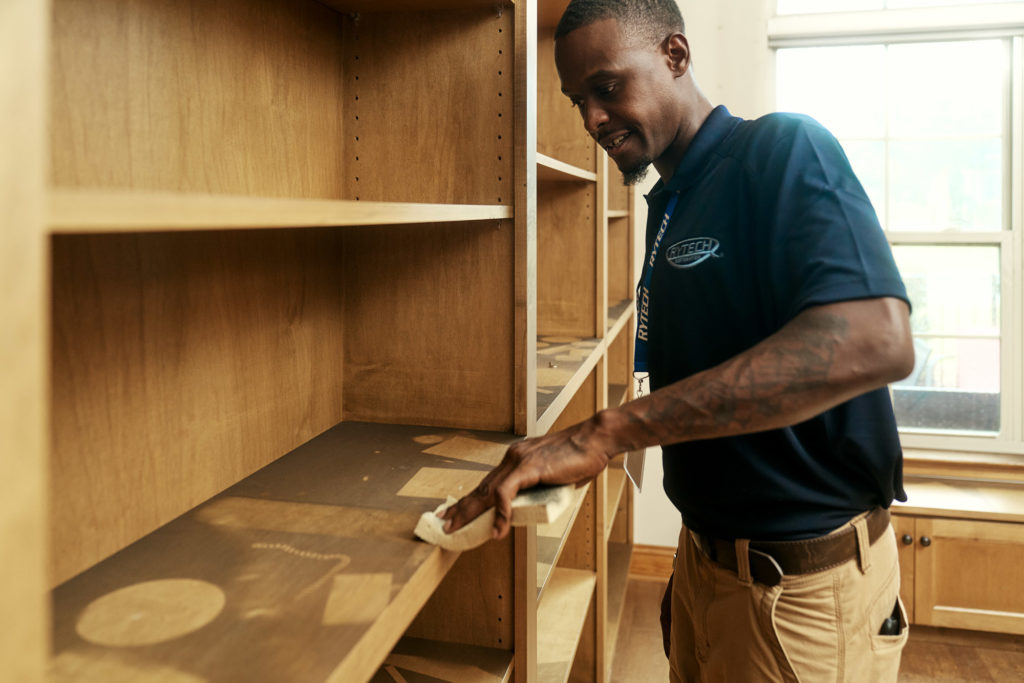
Cleaning visible mold on a small surface—like shower tile—is manageable for homeowners. However, once contamination spreads beyond 10 square feet or involves porous materials, professional remediation is the safer and more effective route. Certified specialists ensure compliance with IICRC safety and documentation standards, protecting both the structure and occupants.
FAQs: Answering Your Pressing Mold Questions
At Rytech Restoration of Central FL, we know that dealing with mold can be overwhelming. To support you during this challenging time, we've created a list of FAQs. Here, you'll find comprehensive information about our services, the remediation process, and what to expect when you choose to work with us.


