Understanding Water Damage in Lakeland and Across Polk County
Living in Lakeland and throughout Polk County means dealing with heavy rains, humidity, and the occasional storm surge that can push water where it should never be. One afternoon storm can flood a warehouse in Bartow, while a slow leak behind a wall in Kissimmee can go unnoticed for weeks. Water damage shows up in many ways, and each situation carries its own level of urgency.
At Rytech Restoration of Central Florida, we work with homeowners, property managers, and commercial operators who need clarity fast. This guide walks you through how water damage happens, what it looks like, and how the restoration process protects your property and indoor environment.
What Causes Water Damage in Central Florida Properties
In Central Florida, water damage rarely comes from just one source. A cracked pipe in a Lakeland home may combine with high humidity, allowing moisture to linger longer than expected. Roof leaks often appear after strong storms move through Hillsborough or Pasco County, while appliance failures quietly release water over time.
Different causes bring different levels of impact. A clean water supply line break may start simple but can escalate if materials stay wet. Meanwhile, floodwater from heavy rain in Sarasota or Bradenton introduces outside contaminants that change how the situation is handled. The source always shapes the response.
Water Damage Categories and What They Mean
Water damage falls into three categories based on contamination levels. Clean water starts from sources like broken supply lines. Gray water carries contaminants from appliances. Black water, often from flooding or sewage, introduces harmful substances and requires controlled handling.
As outlined in industry standards, water can change categories over time as it interacts with building materials and microorganisms, which increases risk and complexity during restoration. This is why early action directly improves outcomes.
How to Spot Water Damage Early
Water damage leaves clues. In Lakeland homes, you might notice a faint stain on the ceiling after a storm. In a commercial space in Lutz, flooring may begin to warp or feel uneven underfoot. A musty odor often signals hidden moisture, especially in humid environments like Polk County.
Left unchecked, moisture can affect structural materials and indoor air quality. These early signs act as a warning system, giving you a chance to respond before conditions spread deeper into walls, flooring, and contents.
What to Do Immediately After Water Damage
The first few moments after discovering water damage shape everything that follows. Stopping the source of water prevents further spread. Protecting belongings limits secondary damage. Taking photos creates a clear record for the next steps.
Many property owners feel overwhelmed at this stage. That’s normal. What matters most is acting quickly and bringing in the right guidance to evaluate the situation and move forward with confidence.
Why Fast Response Changes the Outcome
Moisture does not stay still. Within a short window, it begins to move into porous materials like drywall, wood, and insulation. In Florida’s warm climate, this process accelerates.
A quick response limits how far moisture travels. It reduces the chance of microbial growth and helps preserve more of the structure and contents. Waiting even a day or two can increase the scope of work significantly.
How Water Extraction and Drying Work
Once water is present, removal becomes the priority. Specialized equipment pulls standing water from surfaces, followed by controlled drying that targets moisture trapped within materials.
Air movement, humidity control, and temperature all play a role. Monitoring tools track progress and confirm when materials return to appropriate moisture levels. This science-based approach aligns with IICRC standards that guide how professionals evaluate and restore water-damaged environments.
Preventing Mold Growth After Water Damage
Moisture and organic materials create the perfect environment for mold to develop. In Central Florida, high humidity makes this risk even more common.
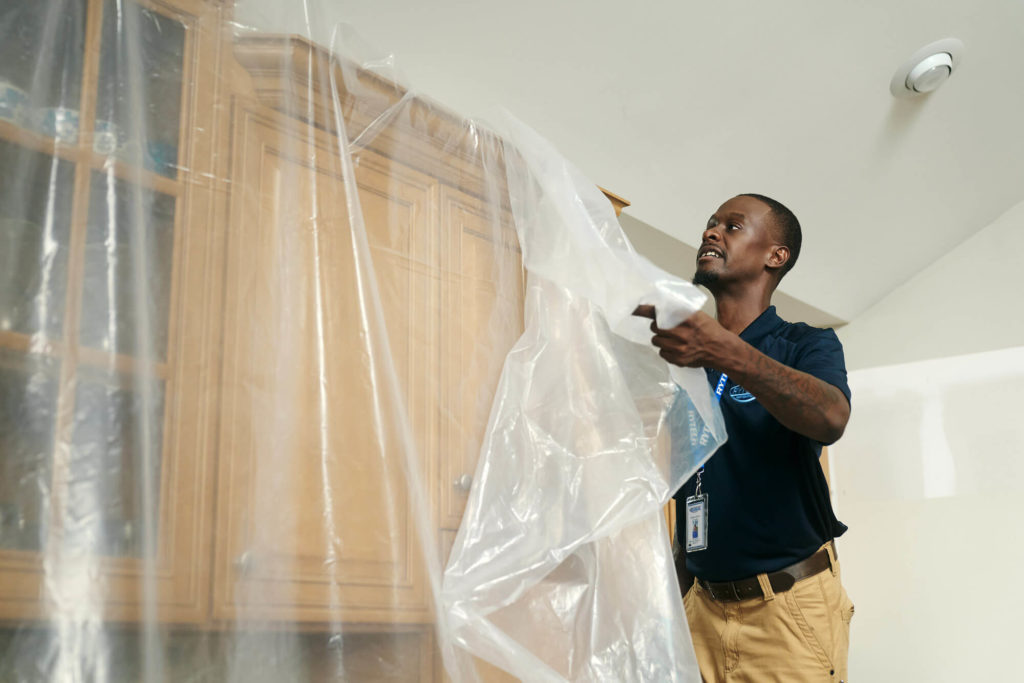
You may notice a musty smell or small spots forming on surfaces. These signals point to conditions that need immediate attention. Professional containment and removal focus on reducing mold spores in the environment and restoring safe indoor conditions without spreading contamination.
Equipment That Drives Effective Restoration
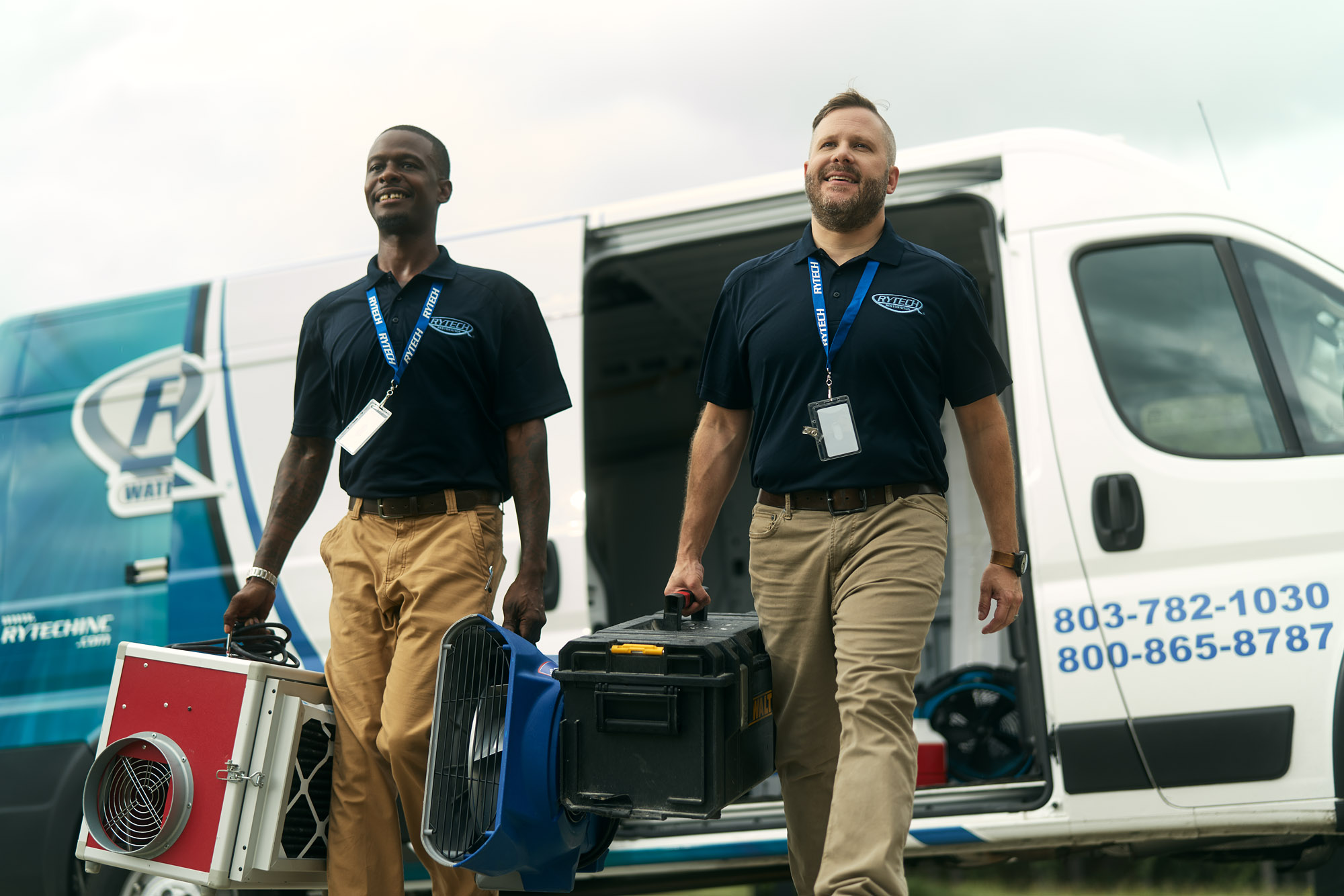
Modern restoration relies on advanced tools designed to detect, remove, and manage moisture. Commercial extractors remove water efficiently, while dehumidifiers and air movers create the conditions needed for drying.
Moisture meters and thermal imaging help identify hidden pockets of water. Air filtration devices support indoor air quality during the process. Each piece of equipment plays a role in achieving consistent, measurable results.
Health and Safety During Water Damage Events
Water damage can introduce contaminants that affect both people and property. Exposure to certain types of water or elevated moisture conditions may impact indoor environments.
Professionals follow established safety protocols, including protective equipment and controlled work zones. These practices protect occupants, property managers, and technicians throughout the process.
Navigating the Insurance Process with Confidence
For many property owners in Lakeland and surrounding areas, insurance feels unfamiliar during a stressful moment. Documentation becomes key. Photos, timelines, and detailed records help clarify what happened and what needs to be addressed.
Working alongside professionals who understand the process helps create a smoother experience. Clear communication supports insurance agents, adjusters, and carriers in making informed decisions.
What Impacts the Cost of Water Damage Restoration
Every water damage scenario is different. A small leak in a residential home will not carry the same scope as a large commercial loss in Polk County.
Factors such as the size of the affected area, the type of water involved, and how long materials remained wet all influence the overall process. Mold presence and accessibility also play a role. Understanding these variables helps set realistic expectations.
DIY vs Professional Restoration in Real-World Situations
Some property owners attempt to handle small issues on their own. That approach may work for surface-level moisture, but hidden water tells a different story.
Without proper equipment and training, moisture can remain behind walls or under flooring. That leads to ongoing issues that are harder to detect. Professional restoration focuses on complete moisture removal and documented results.
Preventing Future Water Damage in Central Florida
Prevention starts with awareness. Regular inspections of roofing, plumbing, and drainage systems reduce risk. In areas like Lakeland, directing water away from the foundation becomes especially important during heavy rains.
Installing leak detection systems and maintaining appliances adds another layer of protection. Small actions today prevent larger disruptions later.
What the Restoration Timeline Looks Like
Water damage restoration follows a structured timeline. Initial actions focus on removing water and assessing conditions. Over the next few days, drying and monitoring take place. As materials stabilize, cleaning and sanitation follow.
Each phase builds on the last, creating a clear path from damage to recovery. Timelines vary based on the extent of the loss, but the process remains consistent and guided by industry standards.
Following Industry Standards and Regulations
Restoration work follows established guidelines designed to protect both property and occupants. The ANSI/IICRC S500 standard outlines best practices for water damage restoration, including inspection, documentation, and drying procedures.
These standards define the level of care expected from trained professionals. They ensure that each project follows a consistent, science-based approach.
A Local Perspective from Rytech Restoration of Central Florida
Elliot Padilla, owner of Rytech Restoration of Central Florida, often sees how quickly water damage escalates in this region.
“Here in Lakeland and across Polk County, we deal with a mix of older homes, newer construction, and commercial properties built with different materials. Moisture moves differently through each one. With over 30 years of combined experience on our team, we know how Florida humidity and storms impact structures, and we approach every project with that local understanding.”
Elliot Padilla, Owner, Rytech Restoration of Central Florida
That experience shapes how our team evaluates each situation and guides property owners through the process with clarity.
Partnering with a Team That Understands Central Florida
When water damage affects your property, having the right information changes how you respond. Knowing what to look for, what steps to take, and how the process works gives you control during an uncertain time.
If you are searching for trusted guidance on water damage restoration services in Central Florida, our team shares insights and support built on decades of experience in Lakeland and surrounding communities.
FAQs: Answering Your Pressing Water Damage Restoration Questions
At Rytech Central Florida, we understand how overwhelming water damage can be. To support you during this stressful time, we've compiled a list of FAQs to help you better understand our restoration services, what the process involves, and what you can expect when you choose Rytech to restore your home or business.


